Rock Hunters
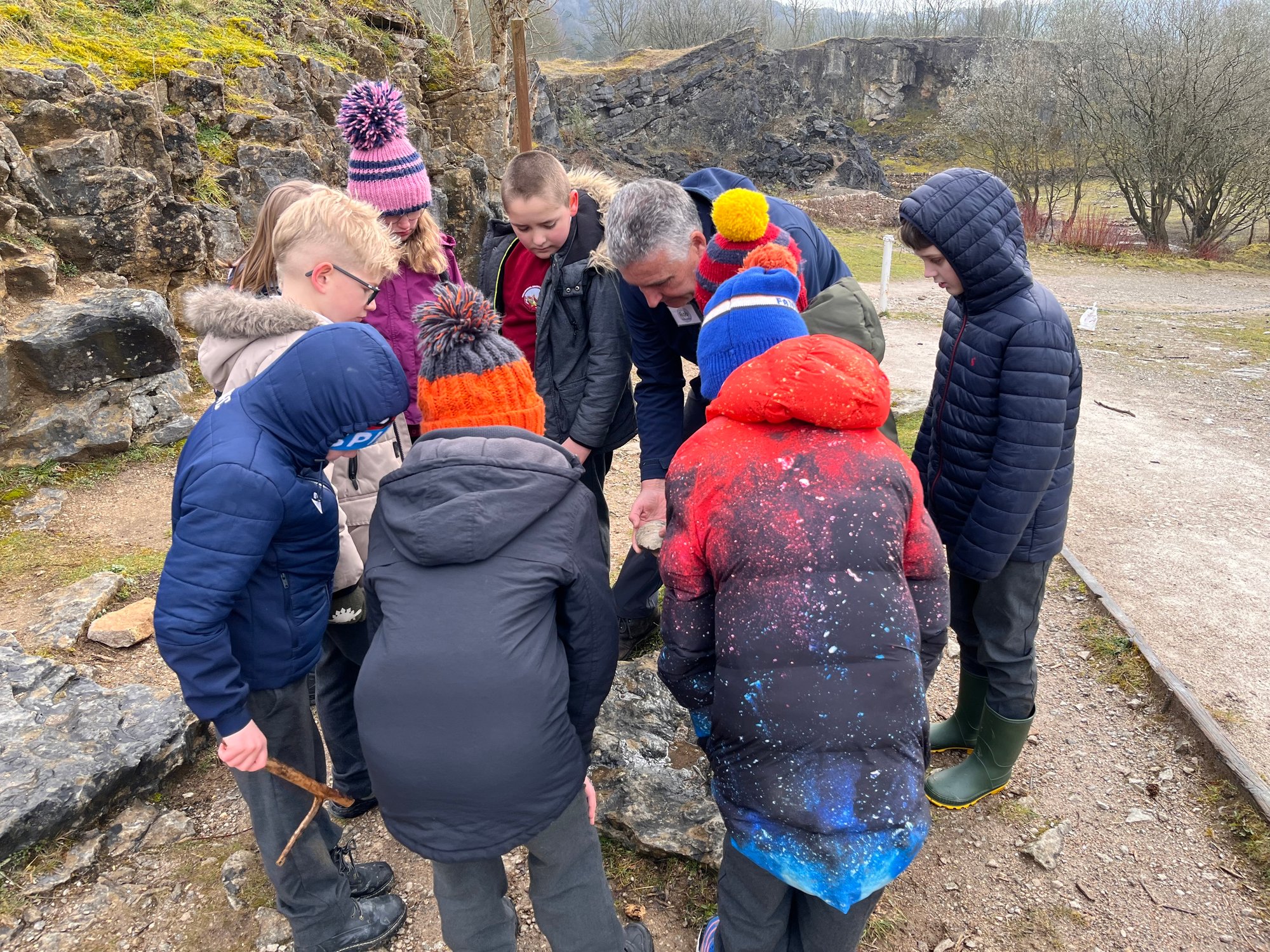
I can explain that rock occurs naturally and can be used for different purposes.
I can list some everyday uses of rocks and explain how the physical properties of rocks make them suitable for different jobs.
A material is a substance from which something is made.
Rock is a solid material that occurs naturally in Earth.
Materials such as concrete, tarmac and brick are made by humans and are not rock.
We use different rocks for different purposes.
The appearance and physical properties of rocks make them suitable for different jobs.
People have used rocks for millions of years to build things that are useful to our lives.
Fossil Detectives
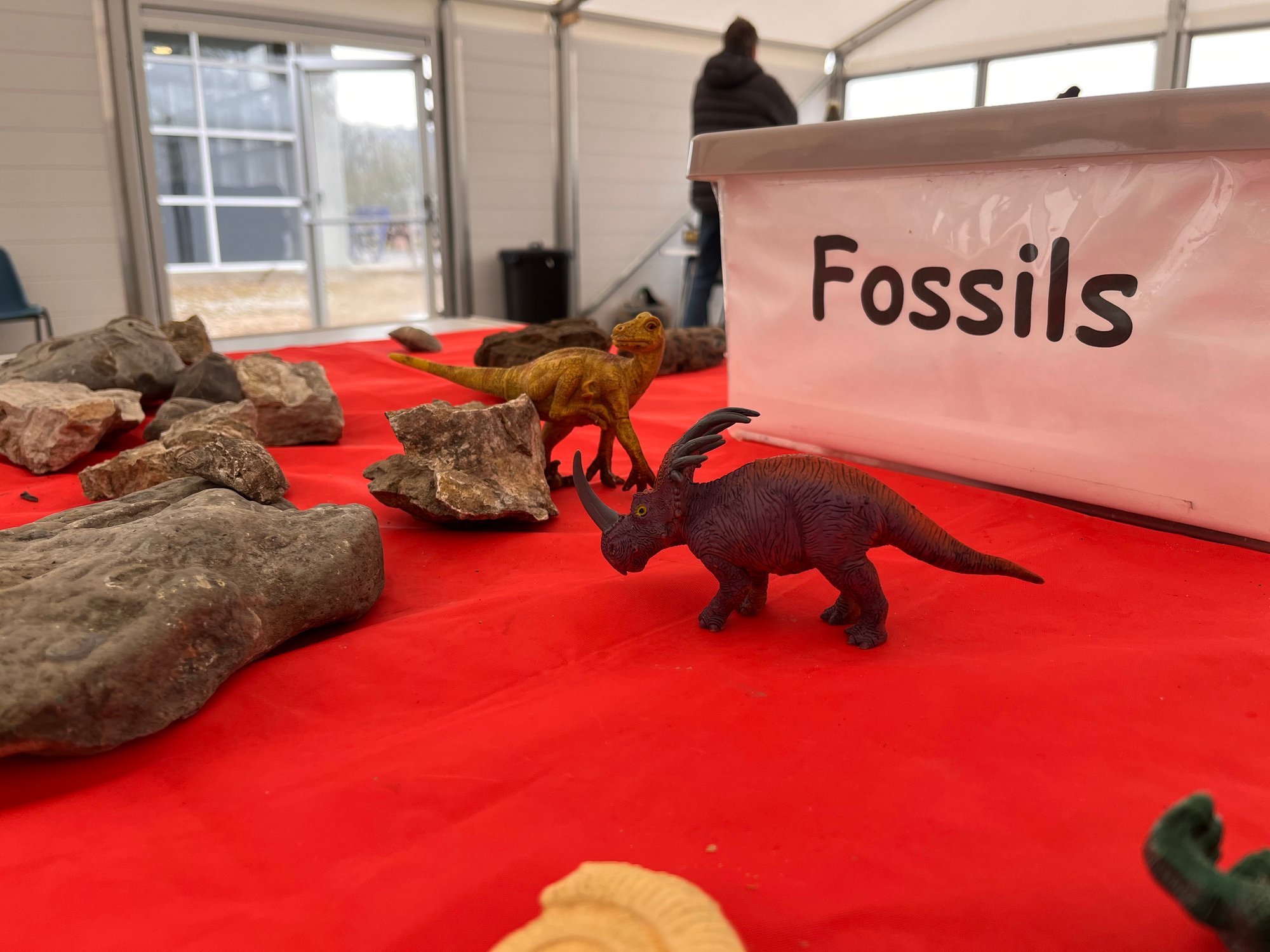
I can describe in simple terms how fossils are formed.
Fossils tell us about things that lived over 10,000 years ago.
Fossils can be formed from different plants and animals.
Not every living thing that dies becomes a fossil.
Some fossils are formed by an imprint of parts of living things, like bones, feathers, shells or leaves.
Some fossils are formed when sediment and minerals fill the hard parts of living things that have died.
Rock Stars: Geology for Beginners
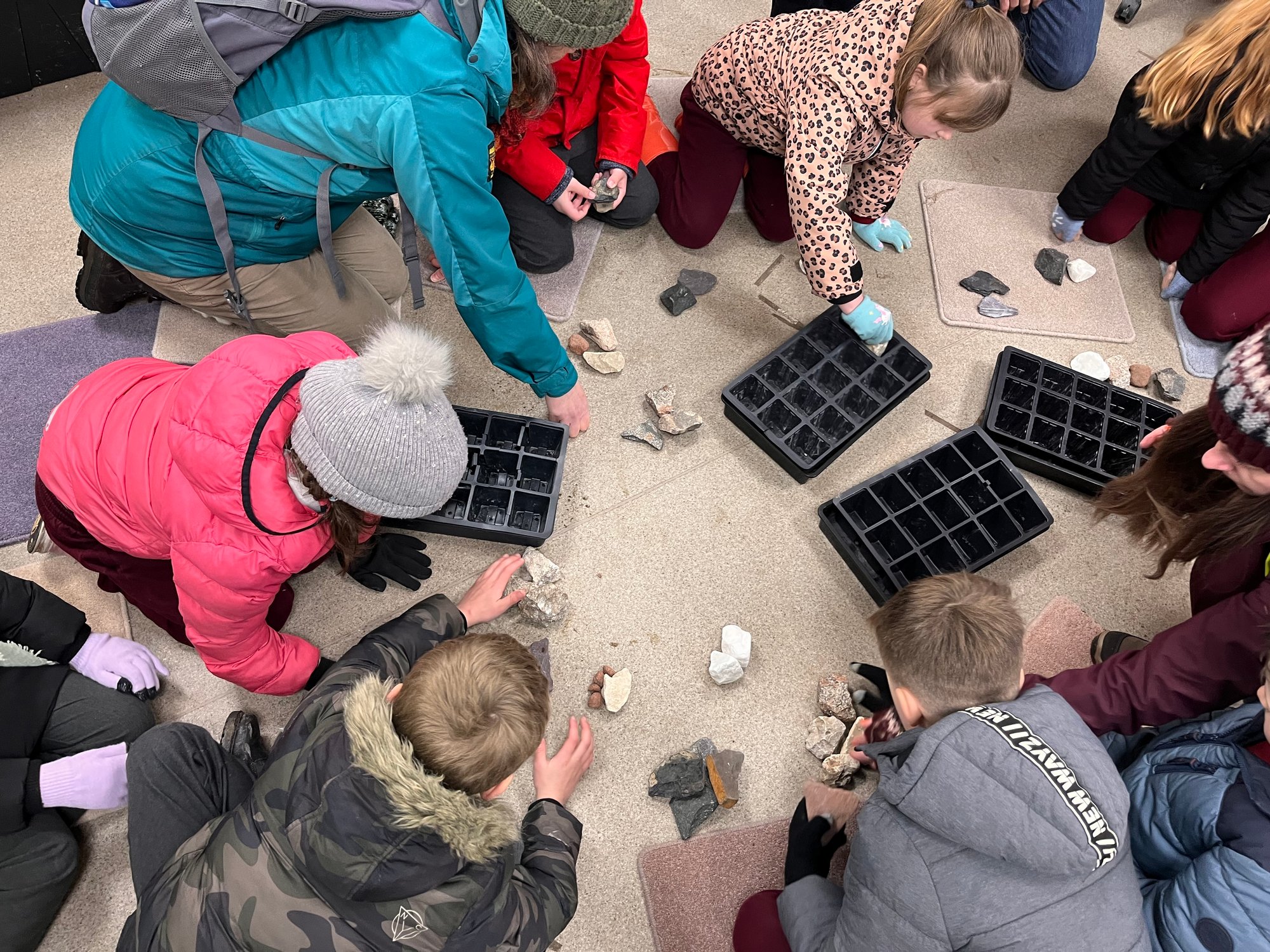
I can compare, group and identify different rocks by observing their appearance.
The appearance of rocks can be observed more closely using a hand lens or microscope.
Rocks can be compared and grouped by appearance, by looking for similarities and differences.
Different rocks have different names.
Hardness is a physical property of rocks. Rocks can be compared and grouped on the basis of their hardness.
Soil. What is it?
I can explain what soil is and what soils are made from.
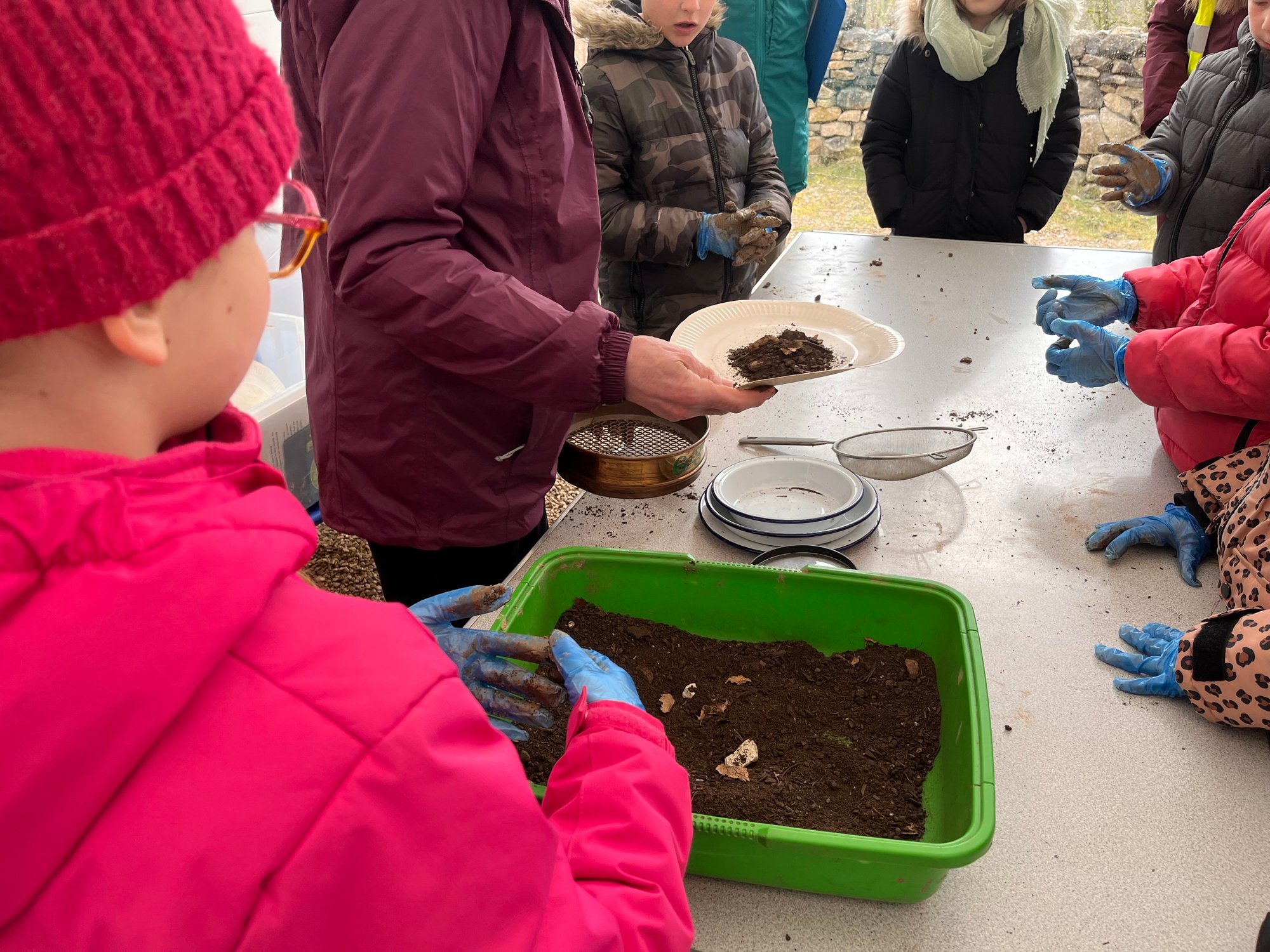
Soil is the loose surface material that covers most land. The creation of soils occurs over many, many years.
Soils can be compared using observation skills, with a hand lens or a microscope.
Soils are a combination of different things, including rock, organic matter and air.
Different types of soils have different properties.
How and where soils are formed will affect their properties, such as colour and size of particles.
Common types of soils, based on their texture, are sandy, silt, clay and loam.
Knowing soil type can help you choose the right plants for your garden and keep them healthy.
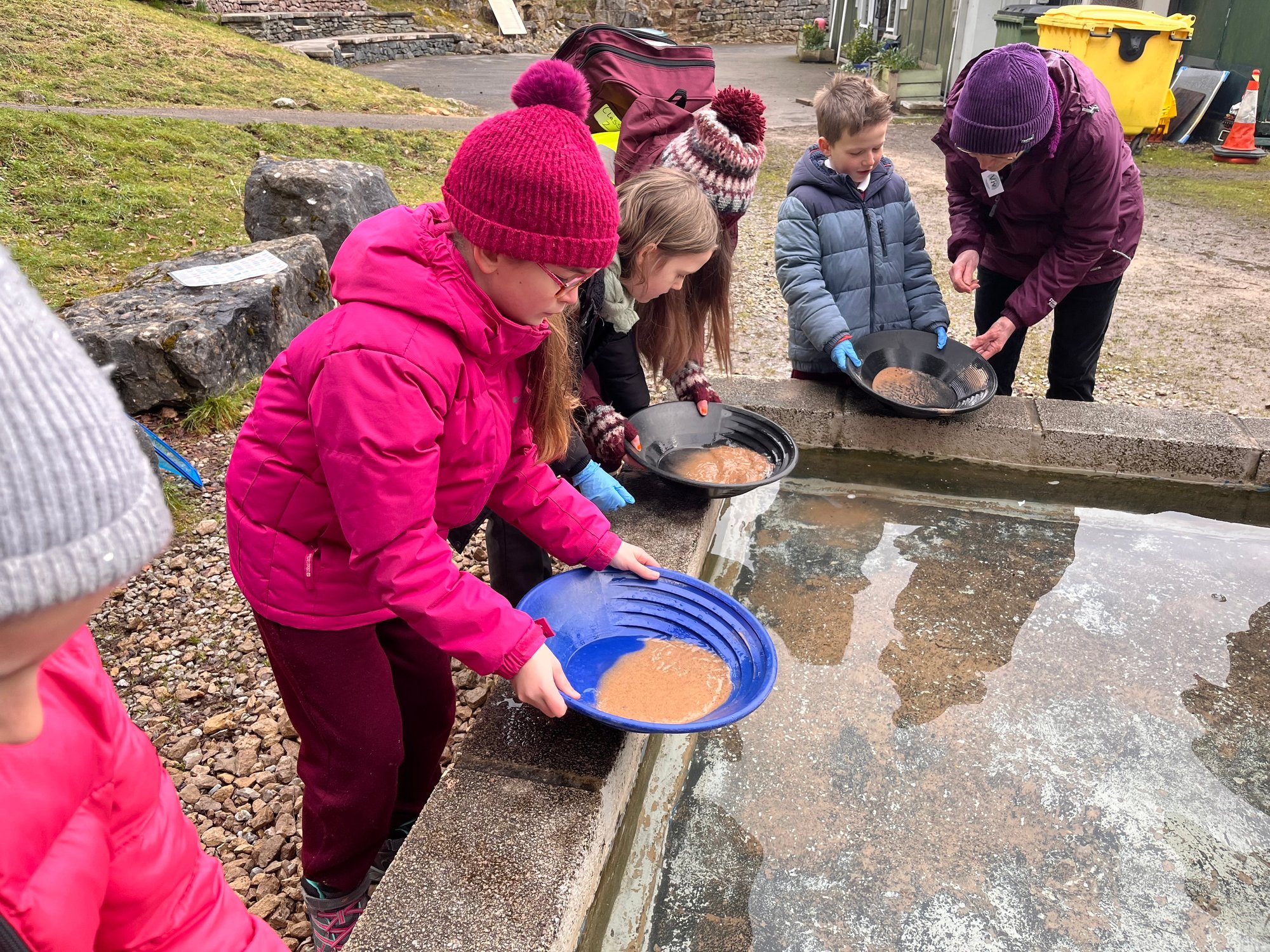
Gem Panning
I can explain that rock occur naturally and can be used for different purposes.
I can compare, group and identify rocks by observing their differences.
The physical properties of a material are its features that can be observed or measured.
Hardness is a physical property of rocks.
Rocks can be compared or grouped based on their hardness.